Relationship Counselling Programme
Breaking the heartbreak cycle takes some learning and unlearning...
You love each other but get stuck in a painful loop
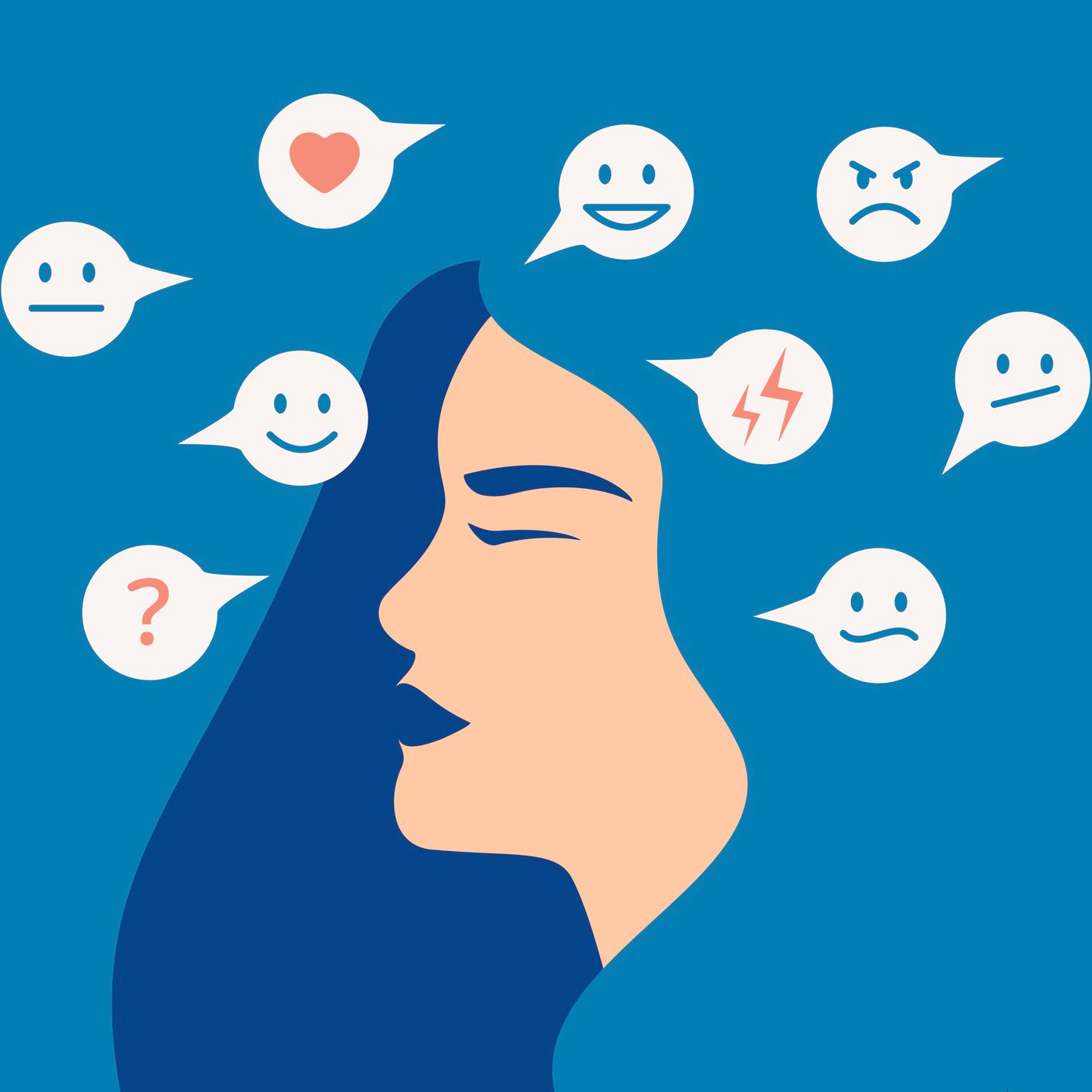
Most of us received little guidance on how to connect with others and navigate differences without shutting down or lashing out. We may repeat patterns from our families: pursuing hard when we feel rejected, withdrawing when we are overwhelmed, criticizing when we're scared. We judge ourselves and each other harshly and feel more and more alone....
The Relationship Counselling Programme is a structured, supported and practical course for couples to learn how to pause when you're activated, understand what's really driving the conflict and reconnect from a place of clarity instead of reactivity.
You don't have to agree on everything, but learn ways to feel safe enough to be more honest & vulnerable with each other.
What we grew up with is often what we need to grow out of.
We cannot do that alone.
10-Sessions to learn & practice new ways of
relating to yourself and to your partner
The RCP isn't open-ended couple therapy. It's a structured programme combining:
- Individual trauma-informed support and feedback
- Guided self-reflection (understanding YOUR patterns)
- Guided communication practice & play with your partner
- Tailored Handouts & Learning tools.
The Method: IFIO (Intimacy From the Inside Out)
IFIO is an IFS-Inspired, integrative couple therapy approach that treats relationship conflicts as opportunities for deeper self-understanding, not just negotiation. Couple therapy that focuses on communication skills alone won't help when you're flooded or shut down. Open IFIO addresses what's happening inside you, so the communication skills can actually work.
The U-Turn → Re-Turn Framework
Here's what typically happens in conflict:
You're triggered → A protective part takes over (criticism, shutdown, defensiveness) → The other person reacts → The cycle escalates.
Here's what we'll practice instead: You're triggered → You pause and turn inward (U-Turn) → You notice which part is activated and what it's protecting → You return to the conversation from a calmer, clearer place (Re-Turn). This isn't about suppressing your feelings. It's about understanding them before they take over and having more choice in how we speak for (rather than from) them.
Is this programme right for you?
The RCP works best when:
- Both people are willing to look at their own contribution to the pattern (not just point fingers)
- You're ready to try something different, even if it feels uncomfortable
- You've done some individual therapy or self-reflection
- You can commit to 10 weekly sessions
FAQ's
When you pick a partner you pick a story...and often you are recruited for a play you did not audition for.
- Esther Perel -